Our Foundation
Preserisol emerged from conversations between working broadcast professionals who recognized a gap in practical, industry-focused training. Many talented individuals struggle to break into television production not because they lack potential, but because traditional educational paths often emphasize theory over the hands-on competencies that production environments actually require.
We designed our programs around what studios, networks, and production companies genuinely seek when hiring. Each curriculum reflects input from active industry practitioners who understand current workflows, technology standards, and the interpersonal dynamics of broadcast work.
Training Philosophy
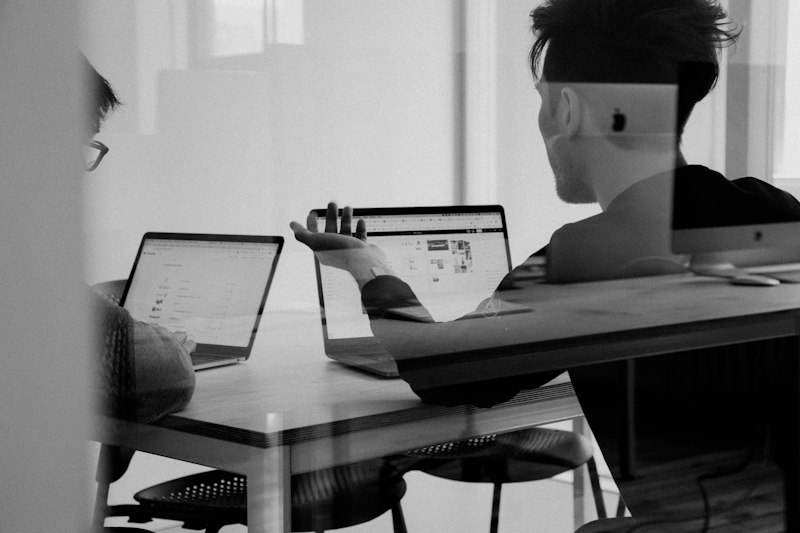
Television production is learned through repetition and direct experience. Our approach prioritizes equipment access, scenario-based exercises, and iterative skill development over passive lecture attendance. Students spend the majority of their time operating cameras, editing footage, managing audio, or working through production scenarios that mirror real broadcast conditions.
This hands-on methodology accelerates competency development. Rather than waiting months to first touch professional equipment, participants engage with broadcast-grade tools from their initial sessions, building muscle memory and technical confidence throughout the program duration.
Industry Connection
Our instructors maintain active roles in television production. They bring current industry perspectives, recent project examples, and professional networks into the training environment. This connection ensures that curriculum content remains aligned with evolving broadcast practices rather than becoming outdated.
Beyond instruction, these industry relationships provide pathways for program graduates. Many students secure their first professional positions through connections established during their training, whether through direct instructor referrals or network introductions facilitated by our program.
Facilities and Resources
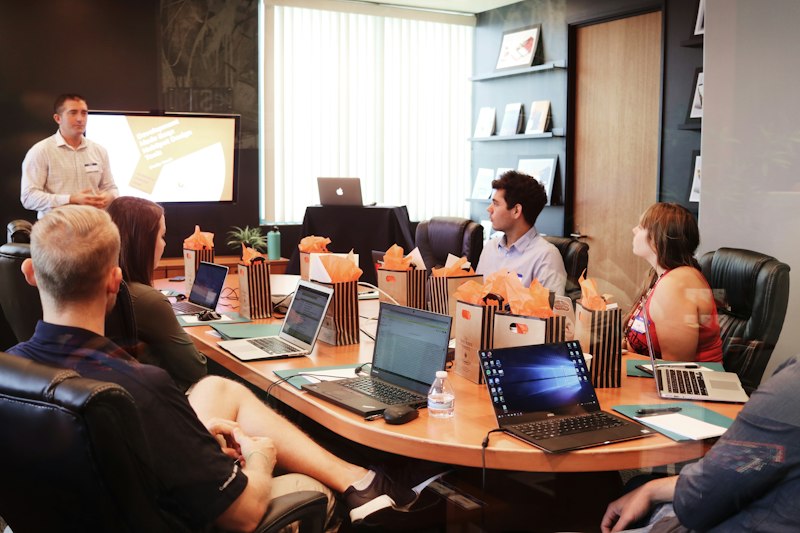
Participants train using the same caliber of equipment they will encounter in professional broadcast environments. Our facilities house multi-camera studio setups, field production kits, editing suites with industry-standard software, and audio engineering stations equipped with professional-grade mixing consoles and microphones.
This equipment investment allows students to develop familiarity with the specific tools and workflows they will use in their careers, reducing the adaptation period when they transition to employment.
Ongoing Support
Career development in television production extends beyond initial training completion. We maintain relationships with graduates, offering continued access to industry updates, advanced workshop opportunities, and networking events that connect alumni with evolving opportunities across the broadcast sector.
This extended support structure recognizes that career progression in television often depends on sustained professional connections and continued skill development as technologies and production methods evolve.