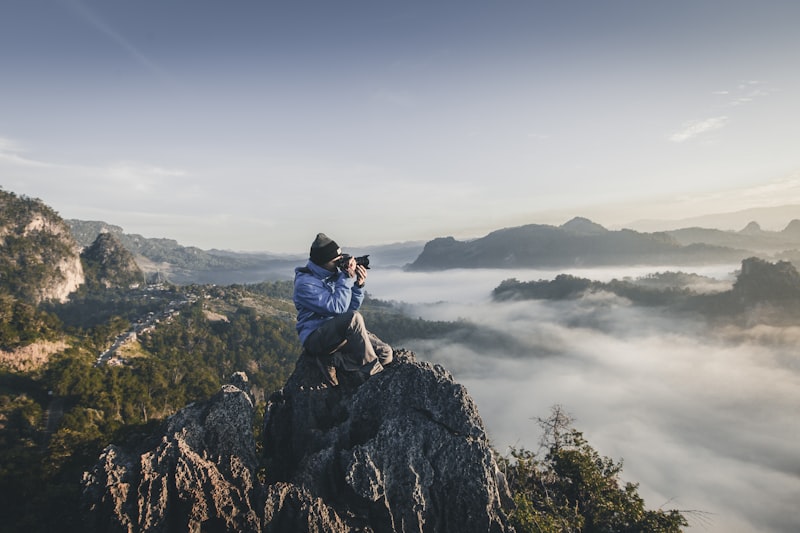
Camera Operator Training
This program develops proficiency in multi-camera studio operations, field camera work, and live broadcast camera techniques. Participants learn framing fundamentals, movement mechanics, focus pulling, and how to work within director communication protocols during live productions.
The curriculum includes extensive time operating broadcast cameras in simulated live scenarios, covering news, sports, and entertainment production contexts. Students also gain understanding of camera maintenance, signal flow, and integration with production switchers.
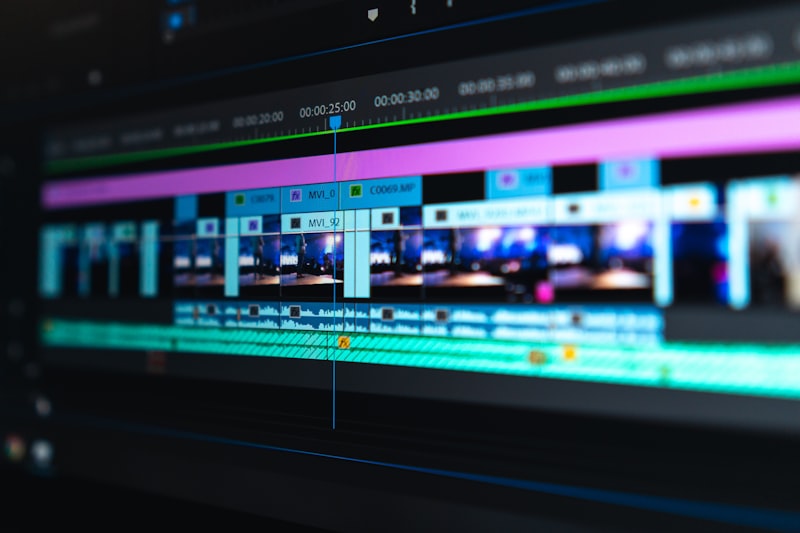
Video Editor Certification
Focused on non-linear editing workflows used across broadcast television, this certification covers editing theory, software proficiency, pacing, narrative structure, and color correction. Participants work with industry-standard editing platforms and learn to manage media assets efficiently.
Beyond technical editing skills, the program addresses collaboration with directors, working to tight broadcast deadlines, and adapting editing approaches to different content types from news packages to documentary segments.
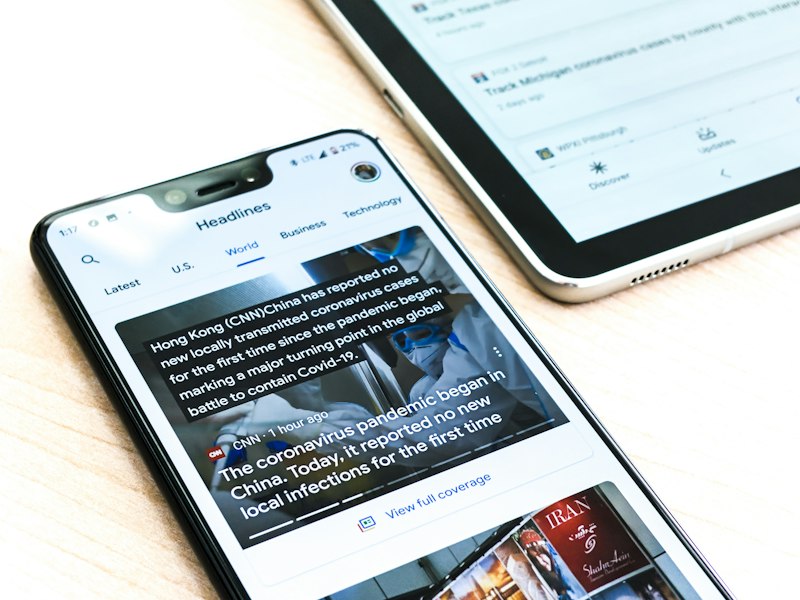
Broadcast Journalist Program
Designed for aspiring news reporters and presenters, this program covers on-camera performance, interview techniques, news writing for broadcast, story development, and editorial decision-making. Participants practice live reporting, package creation, and working under newsroom time pressures.
Training includes voice coaching, teleprompter work, field reporting with camera crews, and understanding broadcast journalism ethics. Students produce demo reels suitable for station applications.
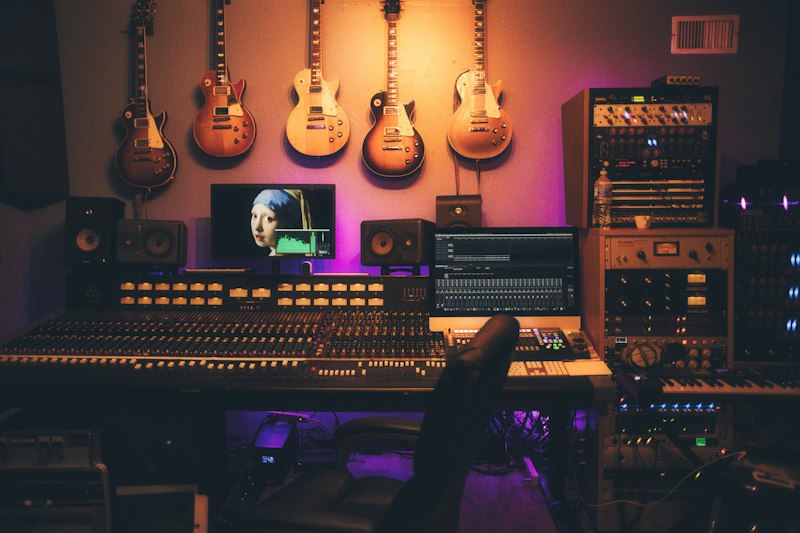
Sound Engineering Course
This course develops audio skills specific to television production environments. Participants learn microphone selection and placement, audio mixing for live broadcasts, dialogue recording, managing wireless audio systems, and coordinating sound with other production departments.
Training covers both studio sound management and field audio recording, including working with boom operators, managing audio levels during live events, and troubleshooting common broadcast audio challenges.
Production Assistant Workshop
An entry-level program for those beginning careers in television production. Covers production protocols, set etiquette, script breakdown, equipment handling, coordinating with crew departments, and supporting directors and producers during shoots.
Participants gain practical understanding of production workflows, scheduling, budget awareness, and the interpersonal skills needed to thrive in fast-paced broadcast environments. This workshop serves as a foundation for advancing into specialized production roles.

Lighting Technician Training
Focused on studio and location lighting for television, this program teaches lighting design principles, equipment operation, power management, and how lighting choices affect mood, depth, and visual clarity in broadcast content.
Students learn three-point lighting, working with lighting directors, rigging safely, managing different lighting scenarios from interviews to multi-camera productions, and adapting techniques for various program formats.